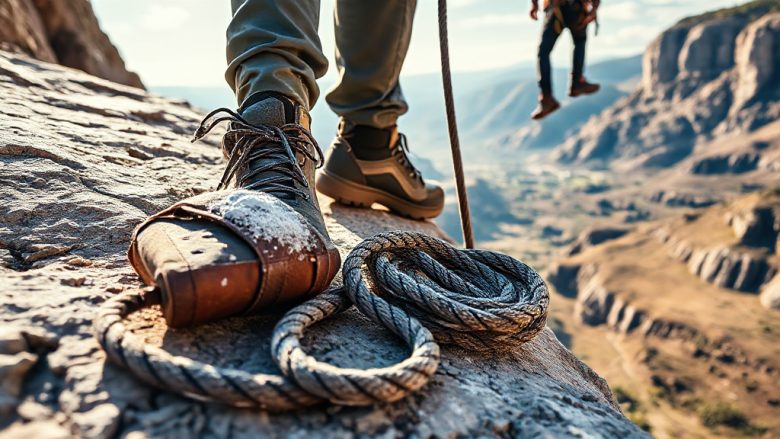
Walking into a climbing gym for the first time is a sensory overload. Coloured holds spiral up overhanging walls, ropes slap against plastic, and someone in the corner is hanging upside down by two fingers. Then you drive past a real cliff on a weekend and see tiny figures halfway up a face that looks completely blank from the road. The two things share a name, but they can feel like different sports.
This article maps the whole territory. If you have ever wondered what everything you need to know about rock climbing actually amounts to — the disciplines, the gear, the grading systems, the risks, and the realistic path from curious beginner to competent climber — this is the place to start. There is no single entry point. There are several, and the right one depends on where you live, what you can afford, and what kind of movement appeals to you.
The Main Disciplines and How They Differ
Climbing splits into a handful of distinct practices, and mixing them up causes most of the confusion beginners experience.
Bouldering is climbing without a rope on short walls or boulders, usually three to five metres high. You fall onto thick foam pads rather than into a harness. It is the simplest form to try: no partner needed, minimal gear, and the movement is often powerful and gymnastic. Most modern gyms devote a large floor to it.
Top rope climbing means the rope is already anchored at the top of the wall. You clip in at the bottom and the rope catches you as soon as you weight it. It is the standard introduction indoors and the safest way to learn movement on taller walls.
Lead climbing changes the equation. You take the rope up with you and clip it into protection points as you go. If you fall, you drop roughly twice the distance to your last clip before the rope catches. Lead climbing is where the mental game becomes as important as the physical one, and it is the skill that unlocks most outdoor sport routes.
Outside, the same skills apply but the environment changes everything. Sport climbing uses permanent bolts drilled into the rock. Trad climbing — traditional climbing — means you place your own removable protection as you ascend and your partner removes it as they follow. Trad demands more judgement, more gear, and more experience. Multi-pitch climbing takes you up routes longer than one rope length, so you and your partner swap leads on ledges partway up. Alpine climbing adds snow, ice and altitude to the mix.
None of these is better than the others. They are different answers to the same question: how do you want to move on rock?
What Gear You Actually Need to Start
The gear list looks intimidating until you separate what you need on day one from what you need in year three.
For a first gym session, rental kit covers almost everything. You need climbing shoes, which are tight, slightly downturned rubber slippers designed to grip small edges. You need a harness that fits snugly around your waist and thighs. If you are top roping, the gym supplies the rope and the belay device. That is it. Wear comfortable athletic clothing you can move in.
Once you commit, buy shoes first. They are the piece of equipment that most directly changes how climbing feels, and a decent entry-level pair costs less than a single month of takeaway coffee. Fit matters more than brand. Climbing shoes should be snug but not painful, with your toes flat or very slightly curled.
Your own harness, a belay device, and a locking carabiner come next. A chalk bag is cheap and genuinely useful for sweaty hands. A helmet becomes non-negotiable outdoors.
Ropes, quickdraws, cams, nuts and slings are the expensive layer. Do not buy them speculatively. Learn what each piece does on real routes, borrow from more experienced partners, and buy gradually. Most climbers accumulate a rack over years, not weekends.
How Climbing Grades Work
Grading systems are where beginners get lost, partly because there are several and they do not convert cleanly.
Bouldering in most of the world uses the V-scale, running from VB for the easiest problems up through V0, V1 and beyond. Font grades, used in parts of Europe, run in parallel and roughly correspond but never exactly.
Roped routes in the UK use the British technical grade plus an adjectival grade, which describes overall seriousness. Elsewhere, the French system dominates: 5a, 5c, 6a, 6b, 7a and upward. In North America, the Yosemite Decimal System runs from 5.0 to 5.15 and beyond, with letter subdivisions above 5.9.
Here is the part that matters: grades describe difficulty, not quality, and they are subjective. A route graded 6a in one area may feel harder than a 6a elsewhere. Grades also shift as holds break and consensus changes. Use them to choose what to try, not to measure yourself. A climber who projects one hard grade for months and a climber who cruises twenty easier routes are both doing the sport properly.
Safety, Risk and How Climbers Manage Both
Climbing is dangerous. Pretending otherwise does nobody any favours. But the risks are specific and largely manageable, which is why the injury statistics look far better than the sport’s reputation suggests.
Most accidents come from a small number of causes: falling while unroped, inadequate belaying, bad anchors, and misjudging rock quality. Almost all of them are preventable with training and attention.
Learn to belay properly from a qualified instructor, not from a friend who learned last month. Belaying is a skill with real consequences, and the techniques — the brake hand never leaving the rope, the correct stance, the communication calls — exist because people died learning them the hard way.
Wear a helmet outdoors. Rockfall happens, and a falling helmet-sized stone is not something you want to meet bareheaded.
Check your partner’s knot and harness before every single climb, no matter how experienced either of you is. This ritual takes ten seconds and catches the errors that experience makes you complacent about.
Outside, learn to read rock. Loose blocks, exfoliating flakes and weathered holds are everywhere, and the ability to assess them comes from time on real stone with people who know more than you. Do not skip that apprenticeship.
Finally, respect access. Climbers depend on landowners, park authorities and local communities allowing us onto their cliffs. Follow closures, stick to established paths, take your rubbish out, and don’t blast music at the crag. Losing access is permanent.
How to Take Your First Steps
Start indoors. Book a beginner session or an introductory course at a local gym. You will learn to tie in, belay, and move on a wall in a controlled environment where mistakes are cheap.
Climb regularly for a few months before heading outside. Your body needs time to adapt — tendons and fingers especially, which strengthen far more slowly than muscle. Most new climbers injure themselves by pushing too hard too soon, not by falling.
When you are ready for rock, go with someone experienced or hire a guide. Your first outdoor day should be about learning to trust real holds, manage a rope at a real crag, and understand the difference between gym plastic and weathered limestone or granite.
Consider a formal course in outdoor skills: anchor building, self-rescue, navigation to and from the crag. These are the skills that turn a gym climber into someone who can operate independently and safely.
Fitness, Cost and Realistic Expectations
Climbing rewards a specific kind of fitness: strong fingers, a solid core, mobile hips, and the endurance to keep trying when your forearms are screaming. General gym strength helps, but the best training for climbing is climbing.
Costs vary hugely by country and city. Gym membership typically sits in the range of a monthly streaming subscription to a few times that. Shoes, harness and a belay device together cost roughly what a mid-range bicycle would. Outdoor gear is where budgets expand, but you can climb for years on borrowed and second-hand kit.
Progress is slow and non-linear. You will plateau, sometimes for months. Then something clicks and a grade you could not touch becomes routine. That rhythm is normal, and it is part of what keeps people in the sport for decades.
Frequently Asked Questions
Is rock climbing expensive to start?
Not particularly. A first gym session with rented gear costs roughly the price of a cinema ticket. If you continue, entry-level shoes and a harness are a modest one-off outlay. The expensive phase comes later, and only if you choose it.
Do I need to be strong or fit to begin?
No. Beginners improve fastest by learning technique, not by building muscle. Climbers of all body types and ages start every week. If you can walk up a flight of stairs and hold your own bodyweight briefly, you can climb.
How long until I can climb outdoors?
Some people go outside within weeks; others prefer a year of gym sessions first. The deciding factor is not time but skill: can you belay safely, manage a rope, and assess risk? When those boxes are ticked, you are ready.
Is climbing dangerous?
It carries real risk, but the risk is concentrated in identifiable situations and is heavily reduced by training, good habits and conservative judgement. Most climbers go their whole careers without a serious incident.
The sport rewards patience more than talent. Start where you are, learn the systems properly, and let the rest unfold at its own pace.